Is Sclerotherapy Safe?
- Is Sclerotherapy Safe? Understanding This Minimally Invasive Treatment
- What Is Sclerotherapy?
- Pros and Cons of Sclerotherapy You Should Know
- Common Safety Concerns and Side Effects
- Possible Complications and Long-Term Effects
- Guidelines for a Safe Recovery After Treatment
- Expected Outcomes After Sclerotherapy
- Good Candidates and Who Should Avoid Sclerotherapy
- Frequently Asked Questions
- Final Thoughts: Safe and Personalized Sclerotherapy
Learn how sclerotherapy offers a minimally invasive, effective solution for spider and varicose veins—safe, quick, and performed by experienced specialists for optimal results.
Is Sclerotherapy Safe? Understanding This Minimally Invasive Treatment
If you’ve been dealing with spider or varicose veins, you may have asked yourself, is sclerotherapy safe? It’s a common question, especially for people looking for a reliable and non-surgical way to improve their veins.
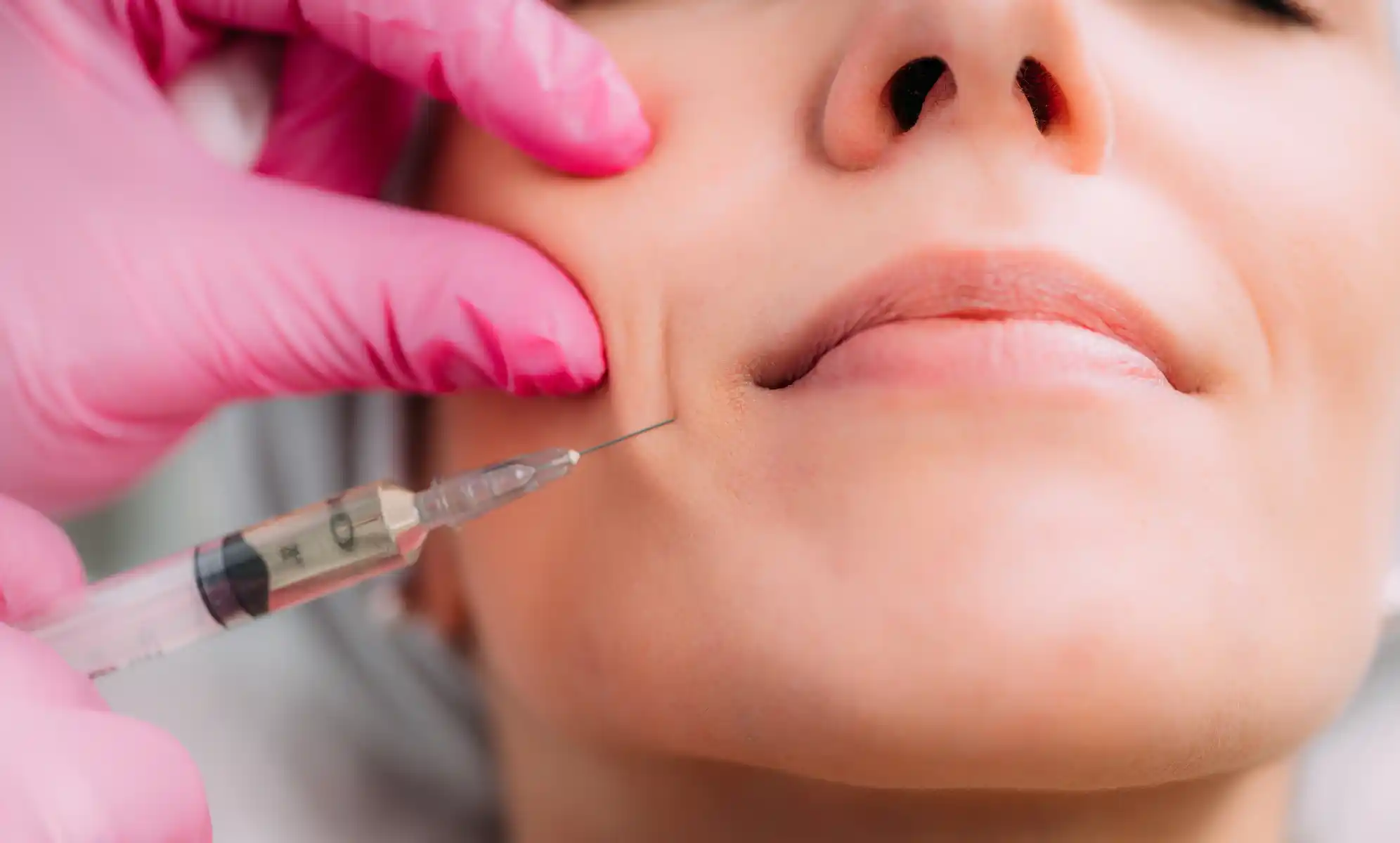
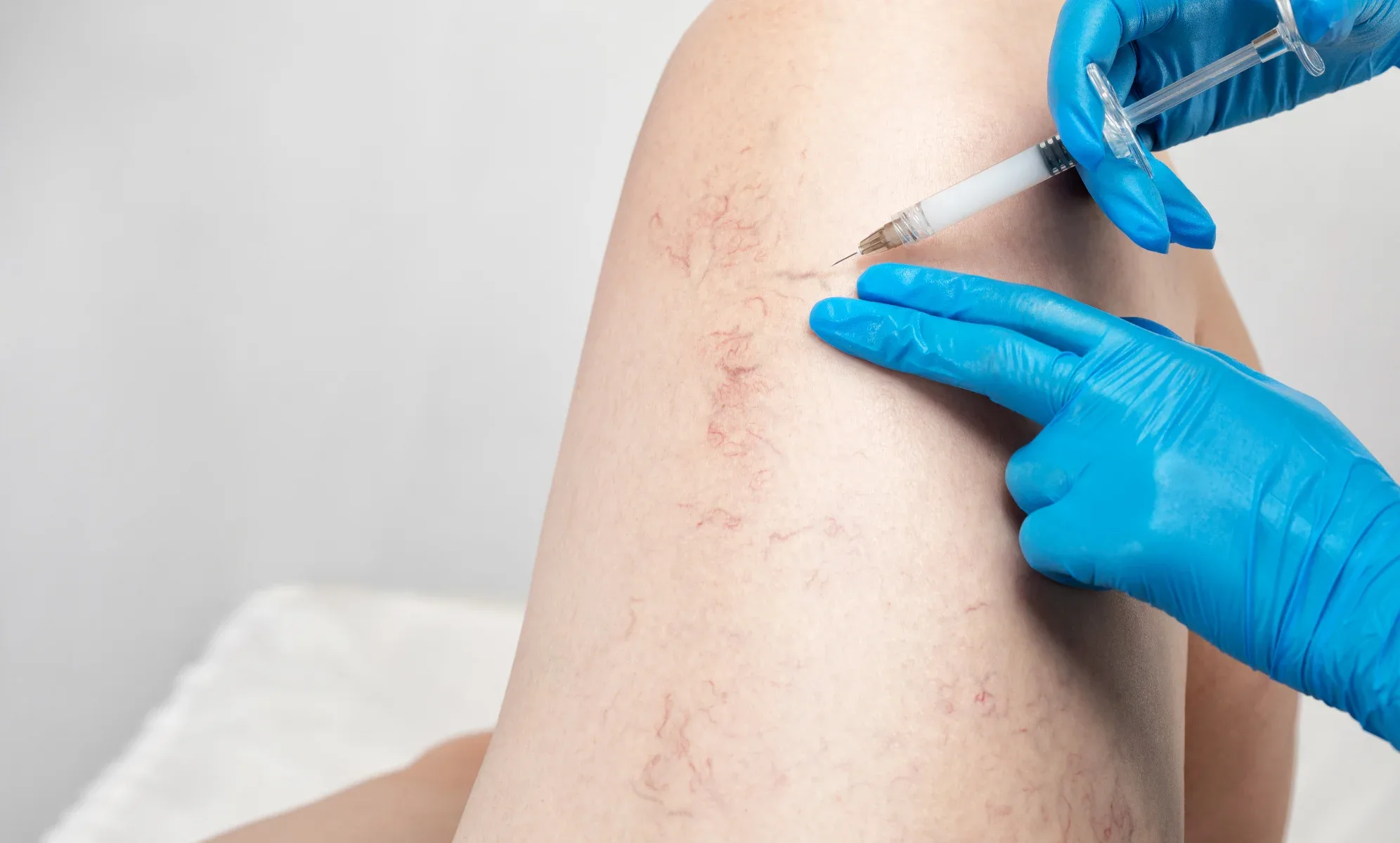
Sclerotherapy is a well-known treatment where a medical solution is injected into the problem vein. This gentle process makes the vein collapse, and over time, it fades from sight. Because the procedure is quick, requires no anesthesia, and involves little to no downtime, many patients prefer it over surgery.
The best part? It’s considered a minimally invasive procedure, meaning it’s safe for most people when performed by qualified specialists. At Spade Skin Care, our experienced team uses modern techniques to ensure comfort, safety, and results you can feel good about.
What Is Sclerotherapy?
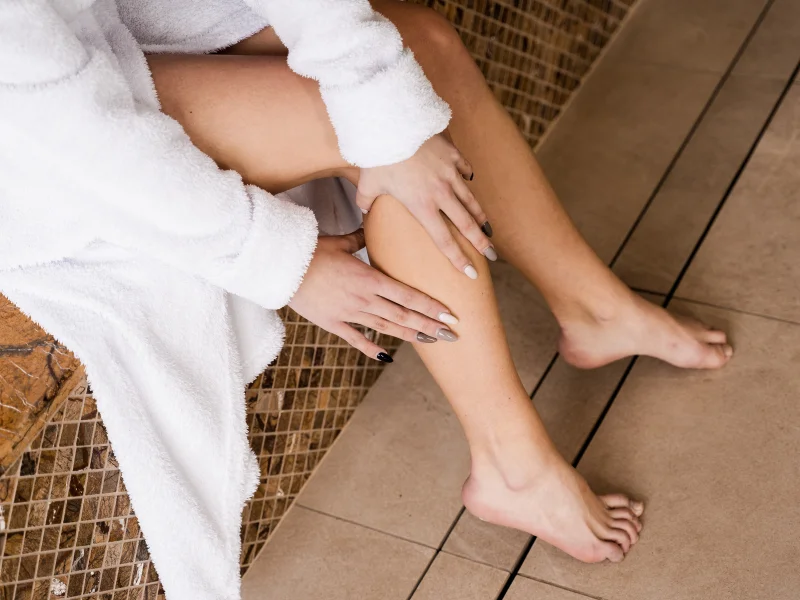
Sclerotherapy is a safe procedure that has been considered one of the best ways to treat visible veins. It’s often recommended for people with spider veins or smaller varicose veins who want an effective and non-surgical option.
The treatment works through the injection of a medical solution into the targeted vein. This solution irritates the inner wall, causing the vein to collapse. Once closed, blood naturally flows through healthier veins, improving circulation and appearance.
The collapsed vein is eventually broken down by the body's lymphatic system and fades from sight. Since it’s a minimally invasive procedure, there are no large incisions, stitches, or anesthesia involved. Patients usually resume normal activities quickly, making it a convenient choice for vein care.
Pros and Cons of Sclerotherapy You Should Know
A thorough risk-benefit analysis is a critical component of deciding on sclerotherapy. Here’s what you should know:
- Effective Results – Reduces or eliminates spider and small varicose veins.
- Outpatient Procedure – Done in-office, no hospital stay required.
- Quick Recovery – Immediate return to daily life is the norm.
- Cosmetic Improvement – Legs appear clearer, improving confidence and comfort.
- Multiple Sessions – Larger or stubborn veins may need more than one treatment.
- Mild Side Effects – Temporary bruising, redness, or swelling at the injection site.
- Not Permanent for Everyone – New veins may develop over time, requiring follow-up.
- Allergic Reaction – Rare, but possible with the injected solution.
- Blood Clots – Uncommon but a known complication.
- Nerve Damage – Extremely rare when performed by a qualified specialist.
Understanding these points helps patients make informed choices and feel confident about their vein care journey.
Common Safety Concerns and Side Effects
When thinking about treatment, many patients ask about sclerotherapy safety concerns. Here’s what you can typically expect:
Common Safety Concerns
- Patients often worry about whether the treatment is truly a safe procedure.
- Concerns usually focus on pain, visible marks, or how long results will last.
- These worries are normal, but most fade once patients understand the process.
Normal Side Effects
- Redness – small patches around the injection site that fade within days.
- Bruising – mild discoloration that clears naturally in a short time.
- Swelling – temporary puffiness that usually improves without treatment.
- Skin firmness – treated veins may feel hard but soften as healing continues.
- Brown spots – slight pigmentation that often fades within weeks or months.
- Tiny veins – new small blood vessels may appear but usually disappear on their own.
Key Takeaway
Most sclerotherapy side effects are mild and temporary. They rarely interfere with daily life, making this treatment safe and dependable.
Possible Complications and Long-Term Effects
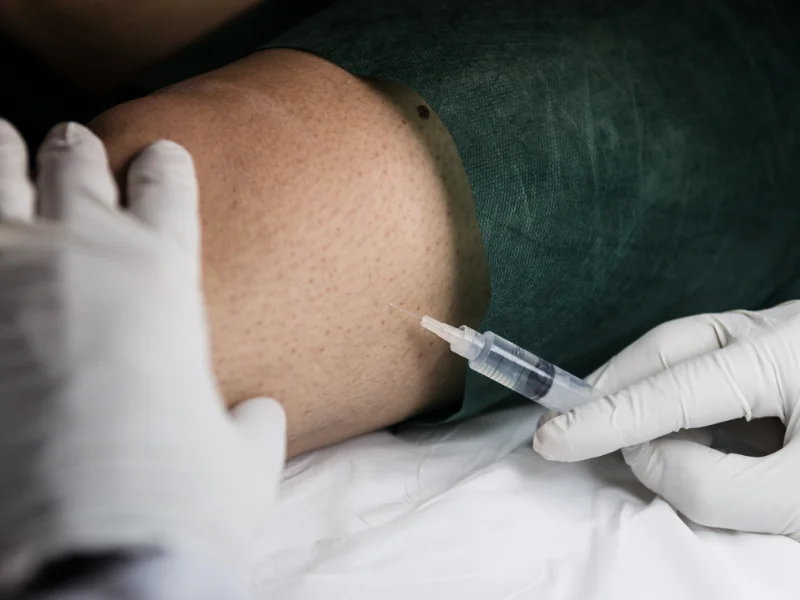
Although sclerotherapy is typically safe, a few rare sclerotherapy complications can occur. Some patients may develop small skin ulcers if the solution leaks outside the vein.
Brown spots or lines may appear in treated areas. These usually fade over time, though in some cases, they can last longer.
Tiny red blood vessels, known as vein matting, sometimes form near treated veins. This condition often improves naturally or with follow-up care.
Most patients enjoy lasting results after treatment. Once a vein collapses and is absorbed, it does not usually return. However, new veins can form in the future. They can be safely treated with additional sessions.
With a qualified provider, complications are rare, and the long-term outlook is safe and effective for most patients.
Guidelines for a Safe Recovery After Treatment
Compression stockings play a key role in healing, offering essential support to the veins while simultaneously reducing swelling. They are usually worn for several days.
Light walking aids circulation and prevents complications. Avoid sitting or standing too long.
Skip hot baths, saunas, and whirlpools for at least 48 hours. Heat can delay healing and increase swelling.
Drink enough water to support circulation and faster recovery. Hydration plays a key role in healing.
Avoid direct sunlight on treated areas. Too much sun may cause dark spots or pigmentation during recovery.
Pause heavy exercise for a few days. Gentle activity is safer until the veins heal properly.
Following these sclerotherapy safety guidelines ensures a sclerotherapy safe recovery with better results.
Expected Outcomes After Sclerotherapy
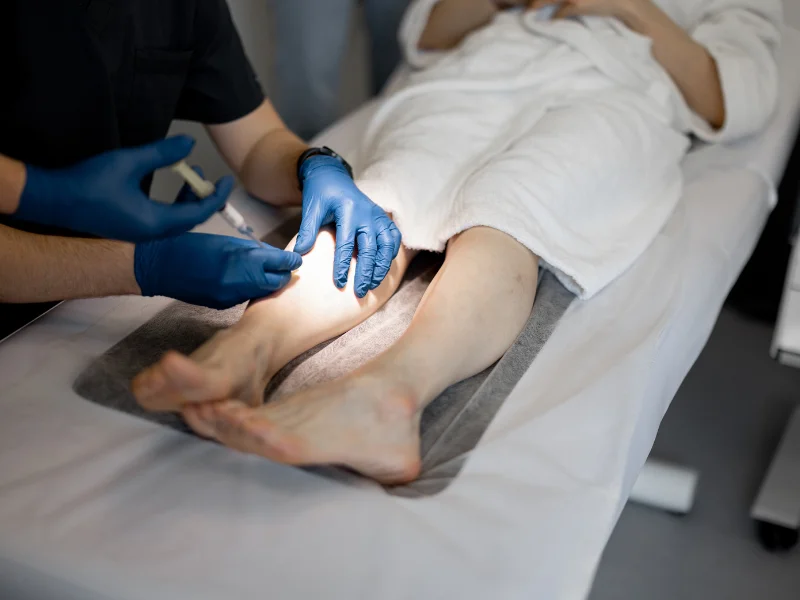
Sclerotherapy delivers results that many patients find rewarding. A gradual lightening and reduction in the visibility of spider veins is typically observed, with initial results often apparent within three to six weeks. You'll see larger veins get progressively better over time, though it can take a few months for them to vanish completely.
The body's natural absorption of collapsed veins is a hallmark of sclerotherapy safe outcomes. Once absorbed, they rarely return, giving long-term cosmetic relief.
Many patients experience smoother skin and clearer legs, which can enhance confidence. Wearing shorts, dresses, or swimsuits feels more comfortable without visible veins.
It’s important to note that new veins can still form later. If this happens, additional sessions may be needed. The good news is that sclerotherapy remains a safe, effective choice for follow-up treatments.
As a definitive treatment, it offers a dual benefit: reliable cosmetic improvement and enduring symptomatic relief.
Good Candidates and Who Should Avoid Sclerotherapy
Although sclerotherapy helps many people achieve clearer skin, it isn't the right solution for every individual or every type of vein. Here’s what to know:
Good Candidates
- People with spider veins or small varicose veins.
- Patients seeking cosmetic improvement and relief from discomfort.
- Those preferring a safe, non-surgical treatment option.
Who Should Avoid It
- Pregnant women should wait until after delivery.
- People with a history of blood clots.
- Patients with severe immobility or limited movement.
- Anyone with known allergies to the injected solution.
How Candidacy Is Determined
- A qualified provider determines candidacy by reviewing your health history.
- This step ensures safe, effective treatment.
- Learn more in our detailed guide on Sclerotherapy.
Frequently Asked Questions
Pregnant women, people with blood clots, or allergies to the solution should avoid it. A qualified provider confirms safety.
Skipping stockings may cause swelling and slow recovery. Wearing them supports a sclerotherapy safe recovery with better results.
Yes, bruising is a common sclerotherapy side effect. It usually appears around the injection site and fades within days.
Most patients return to normal routines quickly. Spider veins may fade in weeks, but patience is needed for larger veins, as their improvement occurs over months.
Avoid fish oil, vitamin E, and blood-thinning herbs. These increase bruising and delay healing.

Final Thoughts: Safe and Personalized Sclerotherapy
Sclerotherapy is considered a safe procedure when performed by trained and qualified specialists. It offers real results without the need for surgery. Most patients enjoy smoother, healthier-looking legs with minimal side effects and quick recovery.
At Spade Skin Care, every treatment plan is personalized. Our team carefully reviews your history to make sure the procedure is right for you. This ensures comfort, safety, and the best long-term results possible.
If you are ready to treat unwanted veins, now is the perfect time. Schedule a consultation at Spade Skin Care and let our experts guide you. Start your transformation today—book a consultation to discover your path to vein-free skin.