
Laser Tattoo Removal in El Segundo
A tattoo that meant something at twenty-two can feel very different at thirty-five. Maybe the style has aged, the name no longer fits, or you want a clean slate before a new design. Whatever the reason, laser tattoo removal in El Segundo at Spade Skin Care starts with a medical assessment and a straightforward conversation about what is realistic. Our physician-led team has served the South Bay since 2011, and we use the PicoWay picosecond laser to treat unwanted ink.
How Picosecond Laser Tattoo Removal Works
Tattoo ink sits in the dermis as particles too large for your body to clear on its own. A laser delivers very short bursts of energy that break those particles into smaller fragments. Over the next few weeks, your immune system gradually carries the fragments away, which is why a tattoo fades over time rather than disappearing all at once.
Picosecond lasers deliver energy in trillionths of a second. These ultra-short pulses shatter ink with a strong photomechanical effect while limiting heat to the surrounding skin. The PicoWay is a picosecond laser, and for many tattoos, it may reduce ink more efficiently than older technology. Results still vary by tattoo and person.
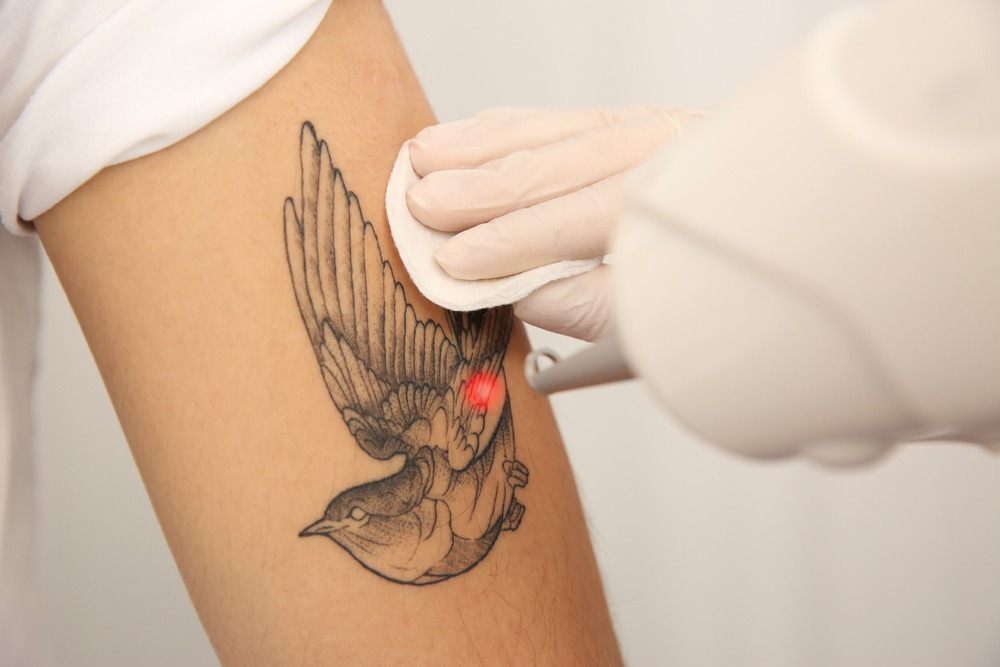
Why Choose Picosecond Laser Tattoo Removal?
Shorter pulses
Less heat generally means less stress on nearby skin.
Range of ink colors
Picosecond technology can address multiple colors, with different wavelengths targeting different pigments.
Medical oversight
A provider evaluates your skin, the tattoo, and your health history before treating anything.
No laser guarantees complete removal. Some tattoos fade substantially, while others leave a faint trace or stubborn color. Your provider will tell you what looks likely for yours.
What Affects How Well a Tattoo Fades
Two people with the same tattoo can have different outcomes. Factors your provider considers include:
| Factor | Why it matters |
|---|---|
| Ink color | Black and dark blue typically respond more readily; greens, yellows, and light colors can be more resistant |
| Ink depth and density | Professional tattoos with heavy ink may take longer than lighter amateur work |
| Location | Areas with better circulation, often closer to the heart, may fade more readily |
| Age of the tattoo | Older tattoos may have started to fade already |
| Skin tone | Darker skin needs careful settings to protect pigment |
| Your immune response | It clears the fragmented ink after treatment |
Cover-Ups and Fading Before a New Design
Not everyone wants a tattoo gone. If you are planning a cover-up, lightening the old design first can give your tattoo artist more freedom. Bring the tattoo artist's input to your consultation, and your provider can discuss how much fading may help.
What Happens at Your Consultation
Review of your history
We ask about your health, medications, sun exposure, and any past reactions.
Tattoo and skin assessment
Your provider looks at the size, colors, location, and type of ink.
A realistic outlook
You will hear what fading may look like and how many visits are likely to be recommended. Results vary, and no specific number is promised in advance.
Treatment plan and cost
Everything is explained before you decide.
Treatment can sometimes be arranged soon after, but you're not obligated.
The Treatment Experience
During a session, you wear protective eyewear, and your provider treats the tattoo in passes. Most people describe the sensation as quick snaps or stinging, like a rubber band or a hot splatter. You can discuss comfort measures in advance. Sessions for small tattoos can be brief, while larger designs take longer.
Afterward, the area may look red, swollen, or frosted. Some people notice blistering, scabbing, or pinpoint bleeding. These effects are expected in some cases and show why aftercare matters.
Aftercare Basics
Your provider will give you personalized instructions, which typically include:
- Keeping the area clean and protected
- Avoiding picking, scratching, or popping blisters
- Staying out of direct sun and using sunscreen once the skin heals
- Skipping soaking in pools, hot tubs, or the ocean until the skin has healed
For more detail, read our guide on how many laser tattoo removal sessions you may need or consult our expert and book your Tattoo Removal Consultation.
Spacing Between Visits
Treatments are spaced several weeks apart (mainly 6-8 weeks) so your body has time to clear ink and your skin can recover. Rushing sessions does not speed results and can increase side effects.
Risks to Understand
Possible side effects include temporary redness, swelling, blistering, scabbing, changes in skin color and, less commonly, scarring or texture changes. Your risk depends on your skin, the tattoo, and how well you follow aftercare. We review these openly during consultation.
Our El Segundo Office
El Segundo is convenient if you live or work nearby, whether you are coming from Manhattan Beach, Hermosa Beach, Torrance, or the LAX area.
Spade Skin Care & More, El Segundo
- Address
- 863 N Douglas St #100, El Segundo, CA 90245
- Phone
- 424-437-1004
- Hours
- Monday to Saturday, 9:00 AM to 5:00 PM. Closed Sunday.
- Parking
- On site at The Edge at Campus El Segundo, plus free street parking on N Douglas Street.
- Appointments
- Required.
Book Your Tattoo Removal Consultation
Ready to talk about your tattoo? Call our El Segundo office at 424-437-1004 or book online to schedule an assessment. If you prefer our other office, see laser tattoo removal in Redondo Beach.
Book OnlineFrequently Asked Questions
Can every tattoo be removed?
Many tattoos can be significantly lightened, but we can't promise complete removal. Colors, ink depth, and location all influence outcomes.
Does tattoo removal hurt?
Most people feel some discomfort, often described as snapping or stinging. Your provider can discuss comfort options at your consultation.
How long between sessions?
Usually several weeks. Your provider will set the interval based on how your skin heals.
Is there downtime?
Most people return to routine activities, but the treated area needs care while it heals.